When your home’s exterior begins to show cracks, warping, or fading, the most effective remedy is a siding replacement, a project that not only restores curb appeal but also boosts energy efficiency and protects against weather damage. By swapping out old cladding for modern, weather‑resistant siding, you can instantly improve insulation, reduce maintenance, and increase resale value—a win‑win for any homeowner.
Why a Siding Replacement Is Often the Best Solution
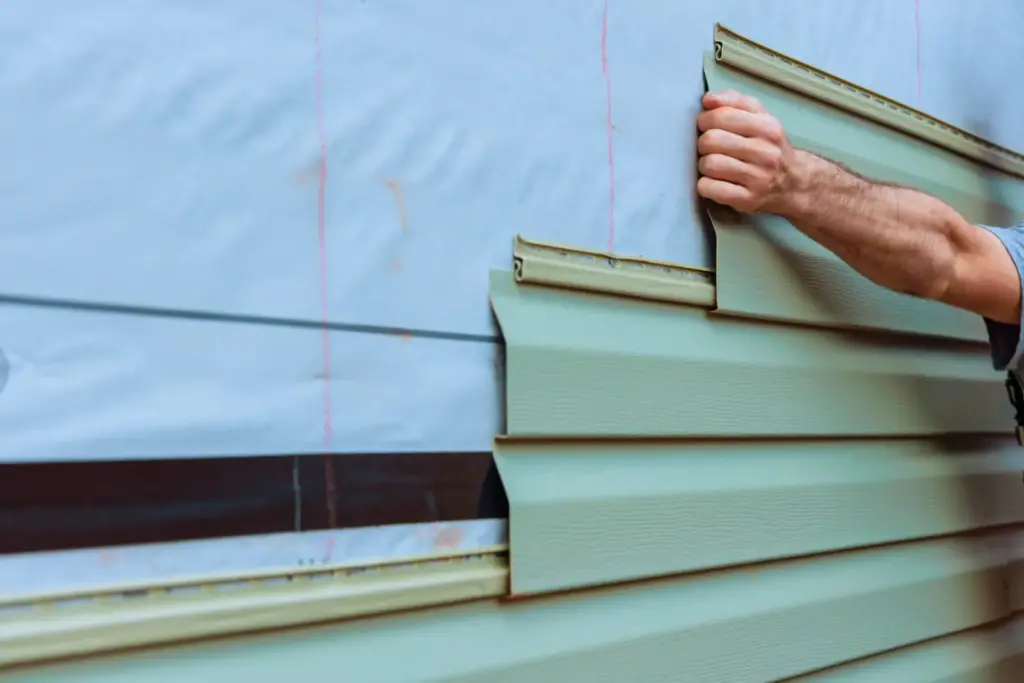
Older siding materials such as wood lap or outdated aluminum tend to absorb moisture, leading to rot, mold, and structural decay. According to the National Association of Home Builders (NAHB) 2026 report, homes that underwent a full siding replacement saw a 12 % reduction in heating and cooling bills due to better thermal performance. Moreover, a fresh exterior signals to potential buyers that the property has been well cared for, lifting home curb appeal by an average of 8 % in market listings.
Key Benefits of Modern Siding Materials
- Energy efficiency: New fiber‑cement or insulated vinyl panels can achieve R‑values up to 2.5 per inch, surpassing traditional wood.
- Durability: Materials such as Hardie Board are rated to withstand 40 years of exposure without significant fading or cracking.
- Low maintenance: Unlike painted wood, most 2026 siding options require only an occasional wash to look like new.
- Weather resistance: Advanced polymer blends repel rain, snow, and even high winds, meeting the latest International Residential Code (IRC) standards for wind zones up to 150 mph.
Choosing the Right Siding for Your Replacement Project
Deciding which material to install depends on climate, budget, and aesthetic preference. Hardie Board siding 2026 offers a blend of durability and a natural wood look, while vinyl siding provides the most cost‑effective solution with built‑in insulation options.
Table of Contents
- Why a Siding Replacement Is Often the Best Solution
- Key Benefits of Modern Siding Materials
- Choosing the Right Siding for Your Replacement Project
- Material Comparison at a Glance
- Step‑by‑Step Guide to a Successful Siding Replacement
- 1. Assessment and Planning
- 2. Selecting a Qualified Contractor
- 3. Preparing the Site
- 4. Installing the New Siding
- 5. Final Inspection and Maintenance Tips
- Common Mistakes to Avoid During Siding Replacement
- Real‑World Case Study: A Mid‑Century Home in Chicago
- Future Trends Shaping Siding Replacement in 2026 and Beyond
- Frequently Asked Questions
- What is the typical timeline for a full siding replacement?
- Can I replace siding myself, or should I hire a professional?
- How does siding affect my home’s resale value?
- Is there a difference between “siding replacement” and “siding renovation”?
- What maintenance does new siding require?
- Bottom Line: Investing in Siding Replacement Pays Off
Material Comparison at a Glance
| Material | Cost (per sq ft) | R‑Value | Lifespan | Best For |
|---|---|---|---|---|
| Fiber‑cement (Hardie Board) | $5‑$7 | 2.0‑2.5 | 30‑40 years | Coastal or high‑wind zones |
| Vinyl (insulated) | $3‑$5 | 2.0‑2.3 | 20‑30 years | Budget‑conscious projects |
| Engineered wood | $4‑$6 | 1.8‑2.2 | 25‑35 years | Traditional aesthetics |
| Metal (aluminum/steel) | $6‑$9 | 1.5‑2.0 | 30‑50 years | Modern industrial look |
Step‑by‑Step Guide to a Successful Siding Replacement
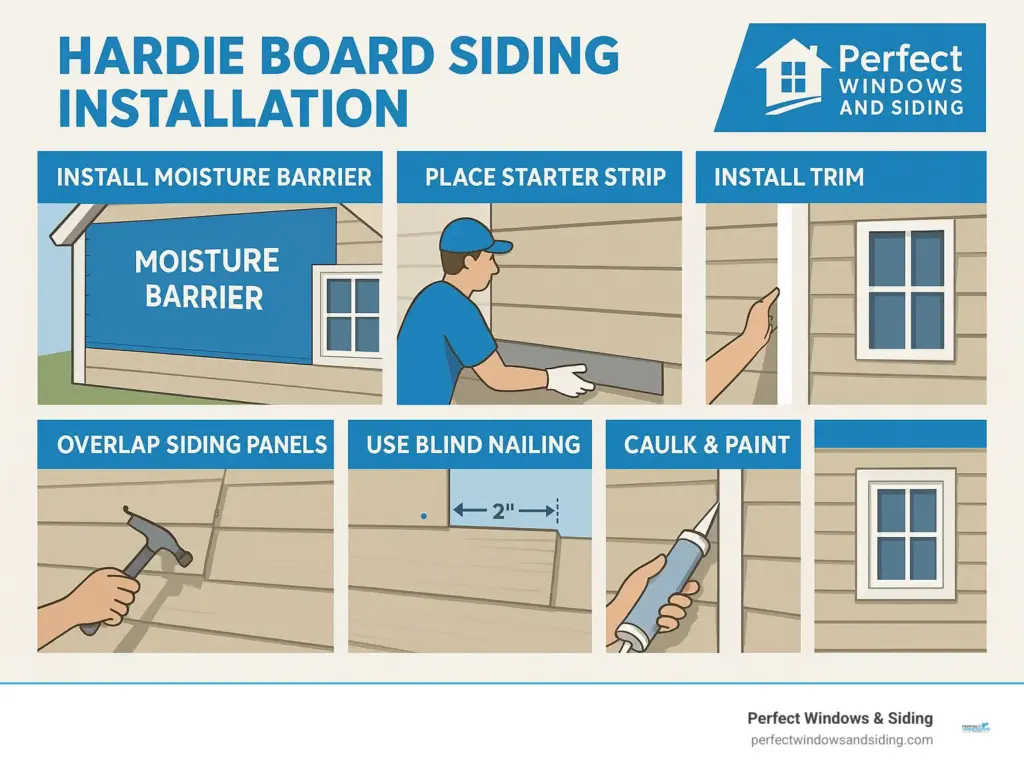
Embarking on a siding replacement can feel daunting, but breaking it down into clear phases helps keep the project on schedule and within budget.
1. Assessment and Planning
- Conduct a visual inspection for rot, insect damage, and water infiltration. The U.S. Department of Energy (DOE) recommends a moisture meter reading below 15 % for healthy wood substrates.
- Measure the total exterior square footage; most contractors charge per square foot, including removal and disposal.
- Set a realistic budget. According to HomeAdvisor’s 2026 cost survey, the average national expense for a full siding replacement ranges from $7,200 to $12,800, inclusive of labor.
2. Selecting a Qualified Contractor
Choosing a reputable siding company is critical. Follow the Top 7 Tips for Choosing the Best Siding Companies Near Me – 2026 Guide to verify licensing, insurance, and past project reviews. A good rule of thumb is to obtain at least three detailed quotes and compare warranty terms.
3. Preparing the Site
- Remove existing siding carefully to avoid damaging the sheathing.
- Repair any compromised sheathing or studs; replace rotted wood with pressure‑treated lumber.
- Install a weather‑resistant barrier (WRB) such as Tyvek, which has been shown to improve moisture management by up to 30 % (Building Science Corporation, 2026).
4. Installing the New Siding
- Begin at the lowest point and work upward, overlapping each course as per manufacturer specifications.
- Use corrosion‑resistant fasteners; stainless steel is recommended for coastal areas.
- Apply sealant around windows, doors, and trim to maintain a continuous air barrier.
- Finish with a trim kit that matches the siding style for a seamless look.
5. Final Inspection and Maintenance Tips
After installation, walk the perimeter with a flashlight to spot any gaps or loose panels. Schedule a professional inspection within 30 days to confirm that the warranty is activated. For ongoing care, a gentle power wash once a year and prompt repair of any dents or cracks will keep the siding performing at peak efficiency.
Common Mistakes to Avoid During Siding Replacement
Even experienced homeowners can slip into pitfalls that compromise the project’s success.
- Skipping the WRB: Skipping this layer can lead to hidden moisture buildup, causing mold within the wall cavity.
- Improper fastener spacing: Over‑tightening can crush the siding, while loose fasteners allow wind infiltration.
- Neglecting insulation: Adding rigid foam or insulated vinyl panels can improve energy performance dramatically; overlooking this step wastes potential savings.
- Choosing the cheapest contractor: Low bids often mean shortcuts, such as inadequate flashing, which later result in costly repairs.
Real‑World Case Study: A Mid‑Century Home in Chicago
Homeowner Laura M. in Chicago’s Lakeview neighborhood commissioned a full siding replacement in March 2026. The original wood lap siding had warped from humidity, leading to drafts and a 15 % rise in heating costs. After consulting with a local contractor and referencing the Ultimate 2026 Guide to Siding for House, Laura chose insulated vinyl siding with a built‑in air barrier.
Results after six months:
- Energy bills dropped 13 %.
- Exterior paint maintenance was eliminated.
- Home appraisal increased the property value by $12,000.
Laura’s experience illustrates how strategic material selection combined with proper installation can yield immediate financial and aesthetic returns.
Future Trends Shaping Siding Replacement in 2026 and Beyond
As climate concerns intensify, manufacturers are innovating with eco‑friendly options. Recycled composite panels, which incorporate post‑consumer plastic, now boast a carbon‑footprint reduction of 40 % compared with traditional fiber‑cement (Environmental Protection Agency, 2026). Smart siding with integrated sensors that monitor moisture and temperature is also entering the market, enabling homeowners to receive real‑time alerts via smartphone apps.
Frequently Asked Questions
What is the typical timeline for a full siding replacement?
For a standard 2,000‑sq‑ft home, most contractors complete removal and installation within 7‑10 business days, weather permitting.
Can I replace siding myself, or should I hire a professional?
DIY is feasible for experienced handymen, but improper flashing or fastener placement can void warranties and lead to moisture issues. Professional installation ensures compliance with local building codes and manufacturer guarantees.
How does siding affect my home’s resale value?
According to Zillow’s 2026 market analysis, a fresh siding upgrade can add 5‑7 % to a home’s resale price, especially in competitive suburban markets.
Is there a difference between “siding replacement” and “siding renovation”?
Siding replacement involves removing the old material entirely and installing new cladding, whereas renovation may include minor repairs, repainting, or adding trim without full removal.
What maintenance does new siding require?
Most modern siding needs an annual wash and periodic inspection of seams and fasteners. Fiber‑cement may benefit from a repaint every 10‑12 years, while vinyl typically retains its color for its entire lifespan.
Bottom Line: Investing in Siding Replacement Pays Off
Whether you aim to cut energy costs, protect your home from harsh weather, or simply boost curb appeal, a siding replacement delivers tangible benefits backed by data from 2026 industry studies. By selecting the right material, partnering with a qualified contractor, and following best‑practice installation steps, homeowners can enjoy a durable, low‑maintenance exterior for decades to come.
Ready to start your project? Review our comprehensive guides on Hardie Board siding and vinyl siding to compare options, then use the expert tips from our siding company selection guide to find a trusted installer in your area.
For an overview of different siding types and their historical development, see Wikipedia’s siding article.
